
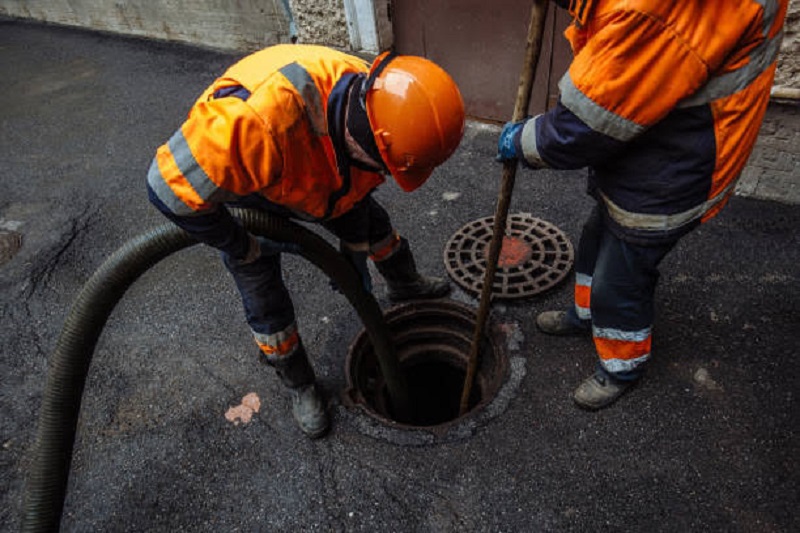
Subterranean plumbing systems serve a crucial purpose that most homeowners don’t think about until something goes wrong. Grease, soap residue, organic debris, and other things are carried by wastewater that passes through subterranean sewage pipes on a daily basis. These materials may build up within pipes over time, progressively limiting water flow and raising pressure on susceptible areas. While identifying any issues that could otherwise go unnoticed until expensive repairs are required, professional sewer cleaning aids in maintaining appropriate drainage.
Property owners may safeguard their plumbing infrastructure, lessen unplanned interruptions, and prolong the useful life of subterranean drainage systems by realizing the significance of sewer maintenance.
Knowing What Takes Place In Subterranean Sewer Pipes
Although sewer pipes are designed to move wastewater effectively, their effectiveness hinges on keeping interior passageways free. Grease, silt, and debris may cling to pipe walls as wastewater moves through the system. The amount of area available for wastewater circulation decreases as these deposits progressively thicken.
Because interior surfaces may become rough due to corrosion, mineral buildup, or material degradation, older sewage systems may encounter extra difficulties. These uneven surfaces provide trash a chance to gather and produce obstacles that are difficult to remove.
Using equipment appropriate for the material and state of the pipes, professional Sewer Cleaning Houston services remove these deposits. Drainage capacity may be restored, and the chance of recurrent blockages decreased by clearing accumulated debris.
Avoiding Wastewater Backups And Pressure Buildup
It may take months for a partly clogged sewage line to exhibit noticeable symptoms. However, wastewater may start to build up behind the obstacle, particularly when water use is high.
Restricted sewage lines may find it difficult to manage the increased flow when many plumbing fixtures release wastewater at the same time. Wastewater may rise via toilets, floor drains, and other low drainage locations as a result.
The quantity of material that contributes to these limitations is decreased by routine sewer cleaning. Property owners may reduce the possibility of unexpected backups that harm adjacent materials, floors, and furniture by maintaining the drainage channel open.
Because wastewater poisoning sometimes requires specialist treatment beyond routine plumbing repairs, early action is especially beneficial.
Preventing Root Intrusion In Sewer Pipes
For subterranean plumbing systems, tree roots are a major problem. Roots may infiltrate sewage systems via tiny cracks, deteriorating joints, or other holes because they naturally gravitate toward sources of moisture.
Once within a pipe, roots have the ability to grow and collect passing debris, resulting in extensive blockages that restrict drainage. Growth might exacerbate already-existing structural issues.
Expert cleaning tools may enhance wastewater flow and eliminate certain root obstacles. However, the hole that enabled roots to enter cannot be fixed by cleaning alone.
To find faulty joints or cracked parts that need long-term repairs, a sewer camera check could be required. Both the blockage and its underlying cause may be addressed by combining cleaning with suitable pipe repair.
The Value Of Selecting The Appropriate Cleaning Technique
Different treatments are needed for different types of sewage blockages. While hydro jetting employs regulated high-pressure water to remove oil, sludge, and buildup from pipe interiors, mechanical drain cleaning equipment may break apart localized obstacles.
Professionals should take into account the kind of obstruction, pipe age, material, and structural condition before choosing a technique. Damage to degraded pipes may be exacerbated by excessive pressure or inappropriate equipment.
Sewer Cleaning Houston experts with experience can evaluate these variables and suggest a cleaning strategy that strikes a balance between efficiency and pipe safety.
For buildings with old subterranean plumbing or a history of recurrent drainage issues, this focused procedure is particularly crucial.
Finding Undiscovered Structural Issues During Upkeep
Expert sewer cleaning might provide a chance to find plumbing flaws that regular home inspections are unable to find.
Recurring blockages might be a sign of structural degradation, drooping portions, faulty connections, or misaligned pipes. These circumstances may result in areas where solid materials build up, and wastewater slows down.
When necessary, camera inspections enable experts to see into sewage systems and identify any problem areas.
Early detection of these flaws may assist property owners in scheduling repairs before subterranean damage grows to the point where significant excavation is necessary.
Conclusion
In order to shield subterranean plumbing from accumulated garbage, recurrent clogs, and avoidable drainage failures, professional sewer cleaning is crucial. In addition to repairing wastewater flow, proper cleaning and inspection may identify structural flaws that need to be fixed. Property owners may minimize unforeseen sewage crises and maintain the dependability of their subterranean plumbing systems for many years to come by combining careful waste disposal, regular monitoring, and expert maintenance.